
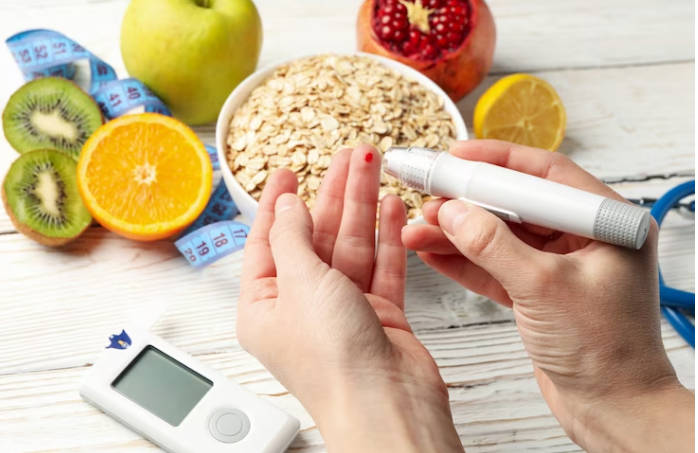
Prediabetes and weight gain are closely connected. Many people notice increasing belly fat, frequent hunger, tiredness, or sugar cravings before they realise their blood sugar levels are higher than normal.
The good news is that prediabetes and weight gain can be managed with the right food choices and lifestyle habits. You do not need extreme dieting. You need simple, practical changes that help control blood sugar, reduce cravings, and support healthy weight loss.
What Is Prediabetes?

Prediabetes means your blood sugar level is higher than normal, but not high enough to be called type 2 diabetes.
It usually happens when the body becomes resistant to insulin. Insulin is the hormone that helps move sugar from the blood into the cells for energy. When insulin does not work properly, sugar stays in the blood for longer and the body may start storing more fat, especially around the belly.
Why Weight Gain Happens in Prediabetes
Weight gain in prediabetes is often linked to insulin resistance.
When the body does not respond well to insulin, it produces more insulin to control blood sugar. Higher insulin levels can make the body store more fat. This can make weight loss harder.
At the same time, weight gain can make insulin resistance worse. This creates a cycle where blood sugar rises, cravings increase, and belly fat becomes harder to lose.
Common Signs to Watch For

Prediabetes may not always show clear symptoms, but some people may notice:
- Increased belly fat
- Sugar cravings
- Tiredness after meals
- Feeling hungry soon after eating
- Difficulty losing weight
- Sleepiness after eating rice, bread, sweets, or refined foods
- Dark patches around the neck or underarms
A blood test is the best way to confirm prediabetes. Common tests include fasting blood sugar, HbA1c, and oral glucose tolerance test.
Diet Tips for Prediabetes and Weight Gain

A prediabetes-friendly diet does not mean eating less all the time. It means eating smarter so your blood sugar stays stable.
1. Eat More Fibre
Fibre slows down digestion and helps prevent sudden sugar spikes.
Good fibre-rich foods include vegetables, dal, beans, sprouts, oats, chia seeds, flaxseeds, fruits with skin, and whole grains.
Try to include vegetables in both lunch and dinner.
2. Add Protein to Every Meal
Protein helps you stay full for longer and reduces cravings.
Good options include eggs, curd, Greek yoghurt, dal, paneer in moderation, tofu, sprouts, chicken, fish, and lentils.
For better blood sugar control, avoid eating only carbohydrates. For example, instead of only poha, upma, rice, or roti, add curd, dal, egg, sprouts, or paneer.
3. Control Rice and Roti Portions
You do not need to completely stop rice or roti, but portion control is important.
A simple rule is:
Half plate vegetables
One quarter protein
One quarter rice, roti, or other carbohydrates
This helps reduce blood sugar spikes and keeps the meal balanced.
4. Avoid Sugary Drinks
Sweet tea, packaged juices, cold drinks, milkshakes, flavoured yoghurt, and sweetened coffee can increase blood sugar quickly.
Choose water, unsweetened lemon water, plain buttermilk, coconut water in moderation, or herbal tea without sugar.
5. Reduce Refined Foods
Refined foods digest quickly and can increase blood sugar and hunger.
Try to reduce white bread, biscuits, cakes, sweets, noodles, maida items, fried snacks, and packaged foods.
Have them occasionally, not daily.
6. Choose Healthy Snacks
Long gaps between meals can lead to overeating later.
Better snack options include roasted chana, nuts, seeds, fruit with nuts, curd, sprouts, boiled egg, makhana, or vegetable soup.
Avoid biscuits, chips, sweets, and sugary tea as regular snacks.
7. Eat Dinner Early and Keep It Light
Heavy late dinners can affect blood sugar and weight.
Try to keep dinner lighter than lunch. Include vegetables and protein. Avoid large portions of rice, fried food, sweets, and heavy snacks at night.
8. Avoid Crash Dieting
Very low-calorie diets may give quick results, but they are difficult to maintain.
Crash dieting can increase weakness, cravings, mood swings, and overeating later. A balanced diet is better for long-term weight and sugar control.
Lifestyle Advice for Prediabetes and Weight Gain

Walk Every Day
Walking is one of the simplest ways to improve insulin sensitivity.
Even a 10 to 15-minute walk after meals can help control blood sugar better.
Do Strength Exercises
Muscles use glucose for energy. So, building muscle can help your body manage sugar more effectively.
Simple strength exercises like squats, wall push-ups, light weights, resistance bands, or yoga can help.
Sleep Properly
Poor sleep can increase hunger, cravings, and insulin resistance.
Try to sleep for 7 to 8 hours daily. Avoid late-night screen time and heavy dinners.
Manage Stress
Stress can increase emotional eating and sugar cravings.
Deep breathing, prayer, meditation, music, journalling, or a short walk can help calm the body.
Check Your Blood Sugar Regularly

If you have prediabetes, monitor your HbA1c, fasting sugar, and post-meal sugar as advised by your doctor.
Tracking helps you understand whether your lifestyle changes are working.
Prediabetes and weight gain can be controlled with steady, realistic changes. You do not need to follow a strict diet plan or stop all your favorite foods.
Focus on eating more fibre, adding protein, reducing sugar, controlling portions, walking daily, sleeping well, and managing stress.
Small changes done every day can protect your health and reduce the risk of developing type 2 diabetes.