
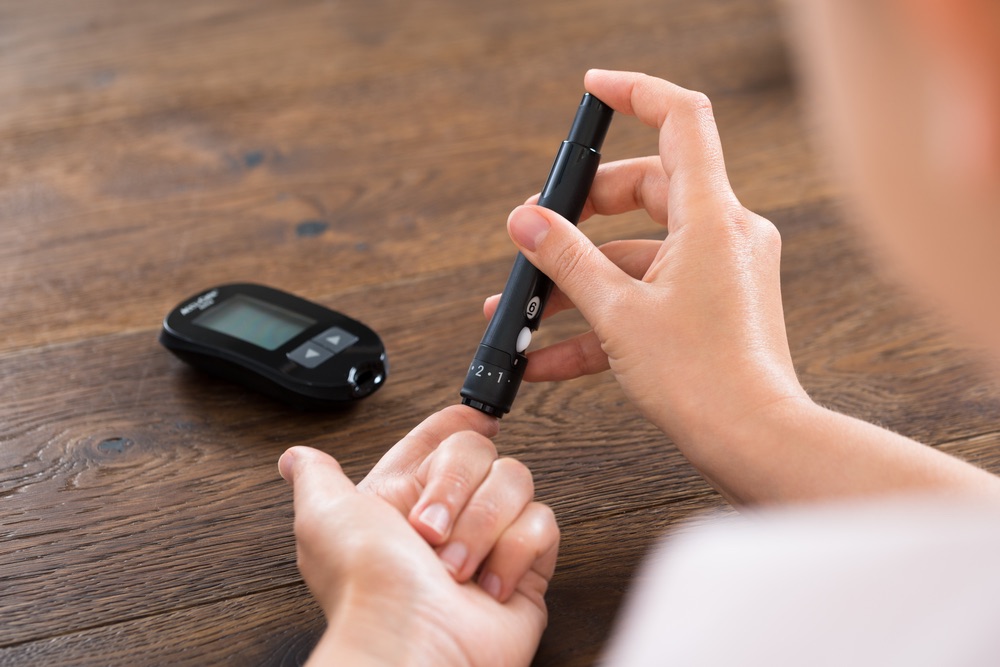
The hidden link between insulin resistance, fatty liver, and cholesterol is something many people live with for years without realising it. Blood sugar may look “slightly high,” cholesterol numbers may be borderline, and an ultrasound may quietly mention fatty liver. These problems often appear separate, but in reality, they are deeply connected.
In fact, the hidden link between insulin resistance, fatty liver, and cholesterol explains why treating only one issue rarely works. Unless the root cause is addressed, these conditions tend to move together, slowly increasing the risk of diabetes, heart disease, and long-term liver damage.
What is insulin resistance and why does it matter?

Insulin resistance happens when the body’s cells stop responding properly to insulin. As a result, glucose remains in the blood instead of entering the cells for energy. To compensate, the body produces more insulin. Over time, this constant overload disrupts fat metabolism, hormone balance, and cholesterol regulation.
This is where the problem begins. Insulin resistance does not only affect blood sugar. It directly influences how the liver stores fat and how cholesterol behaves in the bloodstream.
Hidden link between insulin resistance and fatty liver
The liver plays a central role in fat and sugar metabolism. When insulin resistance develops, excess glucose is converted into fat inside the liver. This fat accumulation is known as non-alcoholic fatty liver disease, or fatty liver.
Fatty liver is often silent, with no early symptoms. However, it signals that the body is struggling to manage insulin and fat properly. Left unchecked, fatty liver can progress to inflammation, fibrosis, and even liver failure over time.
The cholesterol connection
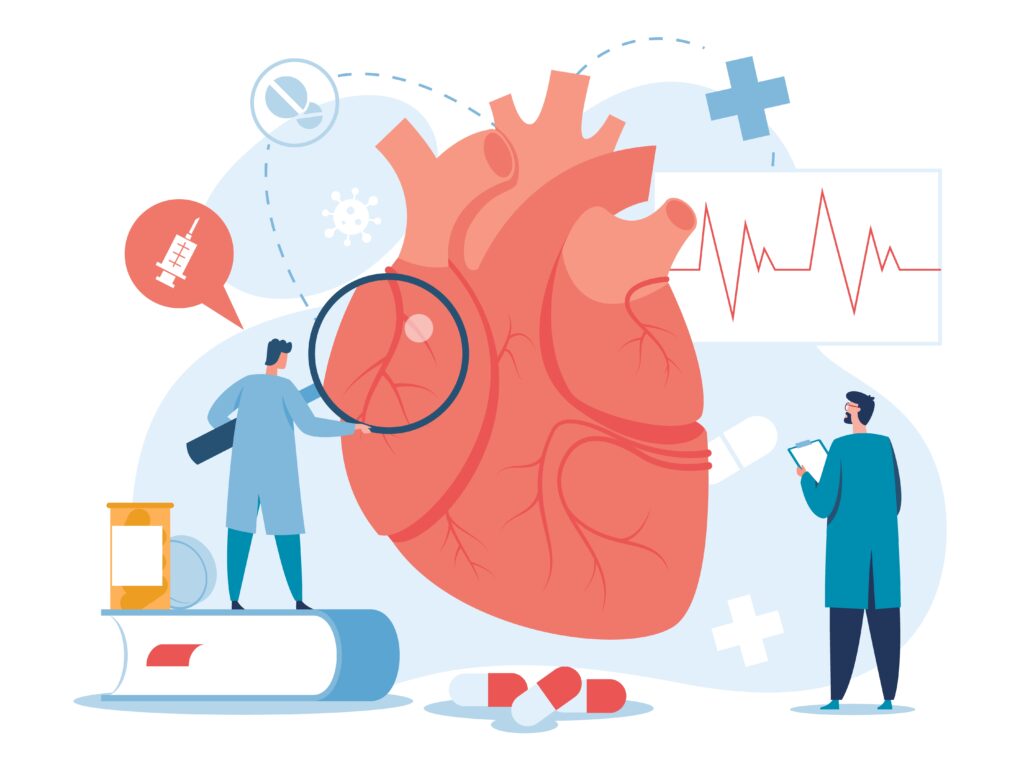
Cholesterol problems are not just about eating oily food. Insulin resistance changes how the liver produces and clears fats. It increases harmful LDL cholesterol and triglycerides while reducing protective HDL cholesterol.
This unhealthy cholesterol pattern raises the risk of blocked arteries and heart disease. That is why people with fatty liver often also have high cholesterol, even if their diet seems “normal.”
Why Insulin resistance, fatty liver, and cholesterol travel together
Insulin resistance, fatty liver, and cholesterol imbalance are part of the same metabolic ch
ain reaction. Insulin resistance triggers fat storage in the liver. A fatty liver then releases abnormal fat particles into the blood. These particles worsen cholesterol levels and further increase insulin resistance.
This vicious cycle explains why focusing only on cholesterol tablets or liver medicines does not fully solve the problem. The root issue lies in improving insulin sensitivity.
Simple lifestyle changes that actually help

The good news is that small, consistent changes can break this cycle. Balanced meals with adequate protein, fibre, and healthy fats help stabilise insulin levels. Reducing sugar, refined carbohydrates, and late-night eating gives the liver time to recover.
Regular physical activity, even daily walking, improves insulin sensitivity and lowers liver fat. Proper sleep and stress management also play an important role, as stress hormones worsen insulin resistance.
When to seek medical advice
If blood sugar, cholesterol, or liver enzymes remain abnormal despite lifestyle changes, medical evaluation is essential. Early guidance can prevent progression to diabetes, advanced liver disease, or heart complications.
Understanding the hidden link between insulin resistance, fatty liver, and cholesterol shifts the focus from isolated treatment to whole-body health. When insulin sensitivity improves, liver health and cholesterol levels often improve together. Addressing the root cause is not only more effective, but also more sustainable in the long run.