
If you woke up heavier than yesterday, you are not alone and you are not “failing”. Salt and Water Retention: Why Your Weight Jumps Overnight (and What to Do) is one of the most common weight-loss frustrations, and it can feel confusing because the scale changes so fast. Salt and Water Retention: Why Your Weight Jumps Overnight (and What to Do) comes down to one simple truth: most overnight jumps are water weight, not fat.
Quick reality check
To gain 1 kg of fat, you would typically need a large calorie surplus over time. But to gain 1 kg of water, your body can do that in a single day, especially after salty food, high carbs, travel, stress, or poor sleep.
What is water retention?
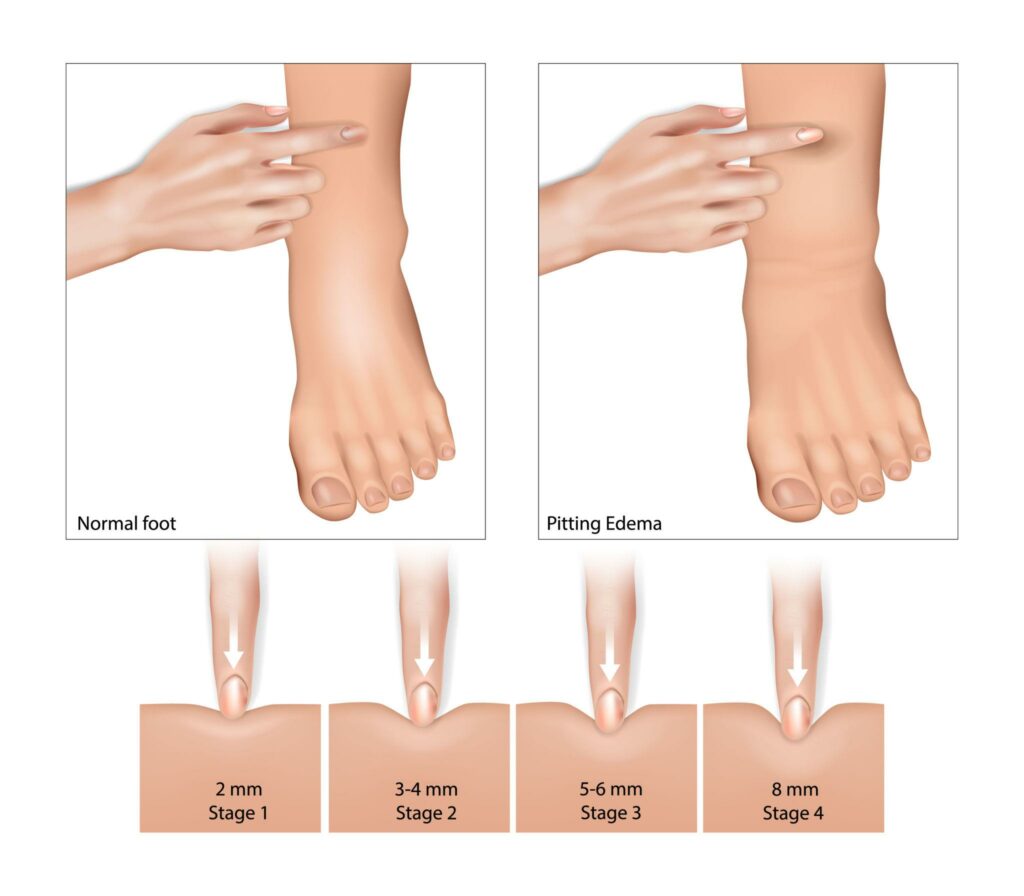
Water retention is when your body holds on to extra fluid in tissues. It can show up as:
- A sudden scale jump (0.5 to 2 kg is common)
- Puffy face or fingers (rings feel tight)
- Swollen feet after long sitting or travel
- Feeling “bloated” even if you ate normally
This is your body’s protective system working, not a sign that your diet is broken.
Why salt makes the scale jump
Salt contains sodium. Sodium helps regulate fluid balance. When you eat more sodium than usual, your body may temporarily hold on to more water to keep sodium concentration stable.
Common high-salt triggers:

- Restaurant food (even “healthy” dishes)
- Packaged snacks, instant soups, ready-to-eat meals
- Pickles, chutneys, papad, sauces, soy sauce
- Cheese, processed meats, salted nuts
- “Diet foods” like flavoured popcorn or low-calorie sauces (often high sodium)
The hidden part
Even if your meal does not taste salty, it can still be sodium-heavy. That is why the scale spike often feels “unfair”.
Other big reasons your weight jumps overnight

Salt is only one piece. These are the other common causes.
1) Carbs and glycogen storage
When you eat more carbs than usual (rice, bread, sweets, desserts), your body stores glycogen for energy. Glycogen pulls water with it.
A rough guide many people notice:
- More carbs today = more stored water tomorrow
This is not bad. It is normal physiology.
2) Hormones (especially around periods)
Many women retain more water in the days before a period, and sometimes around ovulation too. You may feel heavier, bloated, or more hungry.
If your scale jumps at the same point every month, it is often hormonal water retention, not fat gain.
3) Hard workouts and muscle inflammation
If you did a new workout, strength training, or a long walk after a break, your muscles can hold water as they repair.
You might look slightly “swollen” and the scale can rise for 24 to 72 hours, even though you are doing everything right.
4) Constipation and slower digestion
If your bowel movement is irregular, the scale can go up simply because more food waste is sitting in the gut.
This is why fibre, water, and daily walking matter.
5) Dehydration (yes, it can increase water retention)
When you do not drink enough, your body may hold on to fluid more stubbornly. You may also crave salty foods more when dehydrated.
6) Alcohol
Alcohol can disrupt sleep, affect hormones, increase appetite, and lead to salty food choices. It also causes fluid shifts, so the next day often shows a jump.
7) Stress and poor sleep
High stress and poor sleep can raise cortisol and increase cravings, which often means more salty, processed food. Fluid regulation can also feel more “sticky” during stressful weeks.
How long does water retention last?
Most water retention from salty food or high carbs settles within 24 to 72 hours once you return to your usual routine.
If you keep reacting by skipping meals or cutting too aggressively, the cycle can get worse (more stress, more cravings, more retention).
What to do when the scale jumps overnight

Here is a simple, practical plan that works in real life.
1) Do not panic-restrict
A sudden cut in food often increases cravings and stress. Keep meals normal and balanced.
2) Hydrate properly
Aim for steady water intake through the day.
- Start your morning with 1 to 2 glasses of water
- Sip through the day
- Do not chug huge amounts late at night
3) Priorities potassium-rich foods
Potassium helps balance sodium and supports fluid regulation.
Good options:
- Banana
- Coconut water (unsweetened)
- Curd/yoghurt
- Spinach, pumpkin, bottle gourd
- Sweet potato
- Lentils (if you tolerate them well)
4) Keep meals simple for 24 hours
Choose home-cooked, minimally processed foods:
- Protein (eggs, tofu, paneer, fish, chicken)
- Cooked vegetables
- A normal portion of carbs (rice, roti, oats)
- Healthy fats (nuts, seeds, olive oil)
5) Move gently
A 20 to 30 minute walk helps circulation and reduces puffiness. Light stretching also helps, especially after travel or a salty dinner.
6) Reduce “hidden sodium” for a day or two
Not forever. Just until things settle.
- Avoid packaged snacks and instant foods
- Go easy on sauces, pickles, and chutneys
- If eating out, choose grilled or tandoor-style, ask for less sauce
7) Track trends, not single days
Weigh daily if you like, but judge progress using:
- 7-day average, or
- Waist measurement, or
- How clothes fit
Your body can lose fat while the scale temporarily rises from water.
When to take water retention seriously
See a doctor if you have:
- Swelling in one leg only
- Sudden severe swelling with pain or breathlessness
- Persistent swelling for weeks
- Known kidney, liver, or heart conditions
- Very high blood pressure, or you are on diuretics
For most people, though, an overnight jump is normal water fluctuation.
Your weight can jump overnight without any fat gain. Salt, carbs, hormones, stress, workouts, and digestion all influence water balance. The best response is calm consistency: hydrate, eat simply, walk, sleep well, and give it 48 hours before you judge your progress.
If you want, tell me what you ate yesterday and whether you travelled, worked out, or slept late, and I will help you identify the most likely trigger.


One Comment
Thank you so much for sharing this, Shampa Banerjee! This is exactly the reality check I needed this morning. I had no idea that dehydration could actually cause water retention—that explains so much! It’s so reassuring to know that these overnight jumps are just water weight and not ‘failure.’ Your tips on potassium-rich foods and gentle movement are super practical. Keep writing more blogs like this; they are so helpful for everyone on this journey!