
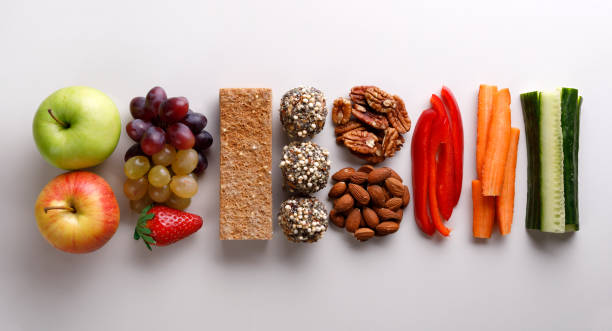
In today’s fast-paced world, snacking is unavoidable. But not all snacks are created equal. With an overwhelming number of packaged options on supermarket shelves and trendy “health foods” on social media, it’s easy to confuse what’s truly healthy versus what’s just marketed as healthy.
In this blog, we’ll decode healthy snacking, explore the science behind nutrient-rich options, and help you make choices that keep both your energy and your health on track.
Why Snacking Matters
Snacking isn’t inherently bad. In fact, smart snacking can support metabolism, stabilize blood sugar, and prevent overeating during main meals. However, mindless or poorly chosen snacks can contribute to weight gain, high sugar intake, and nutrient deficiencies.
Common Mistakes in Snacking
- Relying on packaged “low-fat” snacks high in sugar
- Eating processed foods with empty calories
- Ignoring portion sizes
The key is quality over quantity.
What Makes a Snack Truly Healthy?
A healthy snack isn’t just about low calories; it’s about nutrient density, satiety, and balance. Here’s what to look for:
- Protein-Rich Snacks
Protein keeps you full longer and supports muscle health.
Examples: Roasted chickpeas, Greek yogurt, boiled eggs, nuts and seeds. - Fiber-Packed Snacks
Fiber stabilizes blood sugar and supports digestion.
Examples: Fresh fruit, vegetables with hummus, popcorn (air-popped), oats. - Healthy Fats
Good fats support brain function and heart health.
Examples: Avocado, nuts, seeds, nut butter. - Low Added Sugar
Avoid snacks that rely on sugar for flavor; natural sweetness is best.
Examples: Fresh fruit, dates, homemade energy balls. - Minimally Processed
The closer a snack is to its natural form, the better.
Examples: Raw vegetables, roasted nuts, whole-grain crackers.
Smart Snacking Tips

-
- Plan ahead: Pack snacks like nuts, fruit, or homemade energy bites to avoid unhealthy vending options.
- Mind portions: Even healthy snacks can contribute to excess calories if eaten in large quantities.
- Pair nutrients: Combine protein + fiber + healthy fat for long-lasting energy. Example: Apple slices with almond butter.
- Read labels: Avoid snacks with trans fats, excess sodium, and added sugars.
Healthy Snack Ideas by Category
- Sweet Snacks: Greek yogurt with berries, date energy balls, dark chocolate (70%+)
- Savory Snacks: Roasted chickpeas, hummus with carrot sticks, spiced nuts
- On-the-Go Snacks: Mixed nuts, protein bars with clean ingredients, whole-grain crackers
- Kid-Friendly Snacks: Fruit skewers, mini veggie wraps, cheese cubes
The Bottom Line
Healthy snacking is not about restriction, but smart choices. Focus on snacks that provide nutrition, satisfaction, and sustained energy. Remember, moderation matters — even nutrient-dense snacks can contribute to overconsumption if portions aren’t controlled.
By making small, intentional swaps and choosing whole, nutrient-dense snacks, you can boost your energy, mood, and overall health without feeling deprived.