
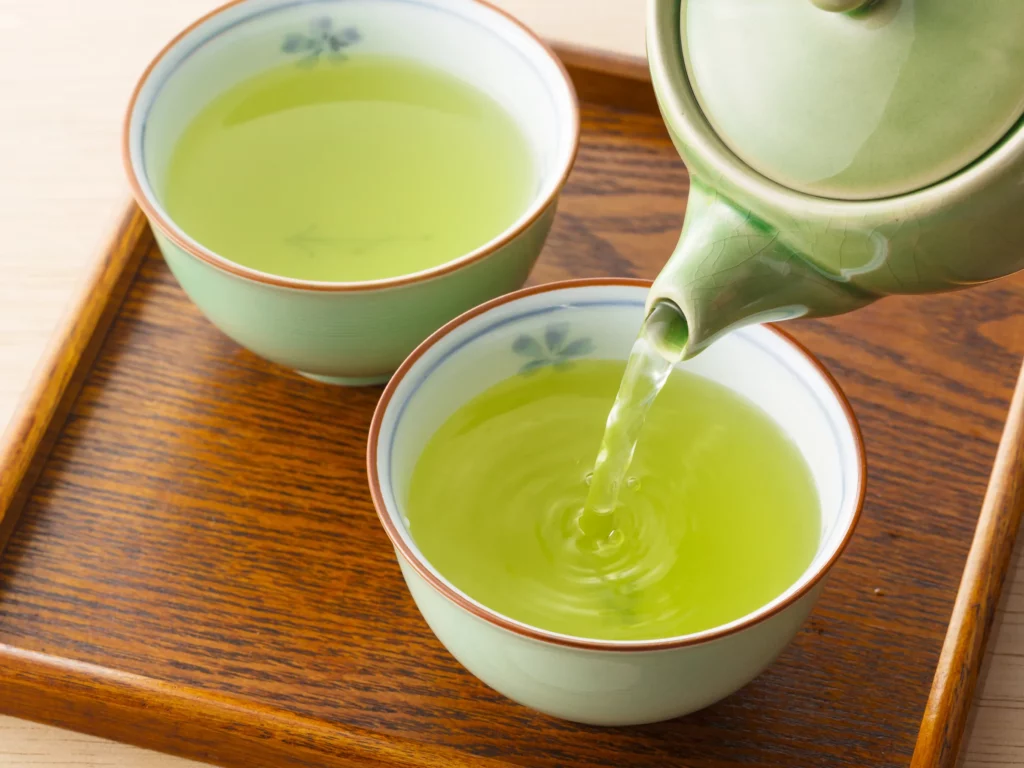
Let’s be honest. Most of us reach for a cup of tea for the ritual. The warmth of the mug in your hands, the quiet moment before a busy day, the gentle pause in the afternoon. It’s a comfort drink, and there’s nothing wrong with that.
But what if I told you that within that comforting ritual lies a powerful, science-backed toolkit for your health? Depending on which leaves you steep, you could be supporting your heart, calming your mind, fortifying your gut, or even sharpening your focus.
This International Tea Day (December 15), let’s move beyond seeing tea as just hydration or relaxation. As dietitians and wellness experts, we want to pull back the curtain on the potent bioactive compounds in your cup and give you a clear, evidence-based guide to choosing your brew with purpose. Think of this not as ditching the comfort, but as supercharging it.
The “Why”: It’s All About the Polyphenols
The magic of true tea (from the Camellia sinensis plant—green, black, oolong, white) isn’t caffeine. It’s in a powerful family of antioxidants called polyphenols, specifically catechins and theaflavins. Think of these as the plant’s microscopic defense system, and when you drink the tea, you recruit them for your own health.
Herbal “teas” or tisanes (like chamomile or peppermint) work differently, leveraging unique volatile oils and compounds from roots, flowers, and leaves. The key is understanding which tea targets which health goal.
Your Tea Apothecary: A Science-Backed Guide
1. For Heart Health & Metabolic Support: Green Tea

Green tea is the least processed, preserving its high concentration of a potent catechin called Epigallocatechin gallate (EGCG).
- The Science: A 2020 meta-analysis in the European Journal of Preventive Cardiology found that habitual tea consumption (especially green tea) was associated with a lower risk of heart disease and stroke. EGCG appears to support healthy blood vessel function and aid in the management of healthy cholesterol levels (Zheng et al., 2021).
- How to Brew for Maximum Benefit: Steep for 3-5 minutes in water slightly below boiling (about 175°F/80°C). Over-boiling water can make it bitter and may degrade some compounds.
- Actionable Tip: Swap your afternoon soda for a cup of green tea. Add a squeeze of lemon—the vitamin C can enhance the absorption of catechins.
2. For Gut Health & Robust Antioxidants: Black Tea

While green tea gets most of the hype, fermented black tea is a powerhouse in its own right. The oxidation process converts catechins into theaflavins and thearubigins.
- The Science: Emerging research highlights black tea’s role in gut health. A study in the European Journal of Nutrition (2019) suggested black tea polyphenols may act as prebiotics, promoting the growth of beneficial gut bacteria. Furthermore, its antioxidant profile is strongly linked to overall cellular health.
- How to Brew for Maximum Benefit: Use freshly boiled water and steep for 3-5 minutes. Perfect for a robust morning cup.
- Actionable Tip: Enjoy your black tea with a small handful of nuts. The healthy fats can help you absorb the fat-soluble antioxidants.
3. For Calm & Cognitive Function: Matcha

Matcha is shade-grown green tea ground into a fine powder, meaning you consume the entire leaf. This multiplies the intake of L-theanine, an amino acid, alongside caffeine and EGCG.
- The Science: L-theanine promotes alpha-wave activity in the brain, linked to a state of “calm alertness.” Research in Nutrients (2021) indicates the combination of L-theanine and caffeine in matcha can improve attention, reaction time, and memory better than caffeine alone, while reducing the jittery side effects.
- How to Brew for Maximum Benefit: Sift ½-1 tsp of matcha into a bowl, add 2 oz of hot (not boiling) water, and whisk vigorously until frothy.
- Actionable Tip: Use matcha as a focused, jitter-free alternative to coffee for your deep work sessions.
4. For Stress & Sleep: Herbal Tisanes (Chamomile, Peppermint)

These are your pharmacological tools for the nervous and digestive systems.
- Chamomile Science: It contains apigenin, an antioxidant that binds to receptors in the brain, promoting relaxation and sleepiness. A 2019 randomized controlled trial found it significantly improved sleep quality (Hieu et al., 2019).
- Peppermint Science: The menthol in peppermint tea acts as an antispasmodic. A systematic review indicated its effectiveness in relieving symptoms of Irritable Bowel Syndrome (IBS), like bloating and abdominal pain (Alammar et al., 2019).
- Actionable Tip: Create a “wind-down ritual”: 30 minutes before bed, put away screens and sip a cup of chamomile tea. For digestive discomfort after a meal, opt for peppermint.
3 Pro-Tips to Elevate Your Tea Game
- Skip the Milk in Medicinal Brews: If your primary goal is heart health from green/black tea, avoid adding milk. Casein protein can bind to polyphenols and may reduce their absorption. Drink it plain or with lemon.
- Quality Matters: Loose-leaf teas generally contain more intact compounds and less dust than bagged teas. Look for opaque packaging to protect from light damage.
- Steep Smart: Re-steeping is fine and can extract different compounds, but the antioxidant punch is strongest in the first infusion.
Conclusion: Steep with Intention
This International Tea Day, I invite you to view your tea cupboard with new eyes. It’s not just a collection of flavors; it’s a personalized wellness cabinet. Are you seeking calm? Reach for the chamomile. Need focused energy? Whisk some matcha. Supporting your heart? Steep the green tea.
Your simple, daily ritual is far more powerful than you knew. It’s a direct line to the healing power of plants, backed by a growing body of compelling science.
Call to Action: What’s your wellness goal this week? Choose one tea from this guide and commit to enjoying one cup daily with intention. Notice how you feel. Then, share your experience in the comments below—I’d love to hear which “potion” you’re trying!
References (APA Format)
Alammar, N., Wang, L., Saberi, B., Nanavati, J., Holtmann, G., Shinohara, R. T., & Mullin, G. E. (2019). The impact of peppermint oil on the irritable bowel syndrome: a meta-analysis of the pooled clinical data. BMC Complementary and Alternative Medicine, 19(1), 21.
Hieu, T. H., Dibas, M., Surya Dila, K. A., Sherif, N. A., Hashmi, M. U., Mahmoud, M., … & Huy, N. T. (2019). Therapeutic efficacy and safety of chamomile for state anxiety, generalized anxiety disorder, insomnia, and sleep quality: A systematic review and meta-analysis of randomized trials and quasi-randomized trials. Phytotherapy Research, 33(6), 1604-1615.
Zheng, X. X., Xu, Y. L., Li, S. H., Liu, X. X., Hui, R., & Huang, X. H. (2021). Green tea intake lowers fasting serum total and LDL cholesterol in adults: a meta-analysis of 14 randomized controlled trials. The American Journal of Clinical Nutrition, 94(2), 601-610.