
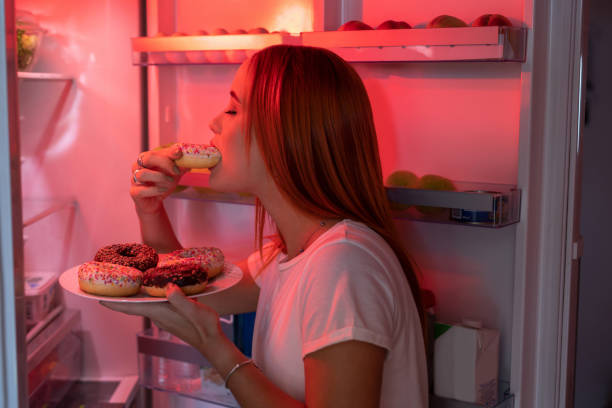
Why Cravings Happen and How to Control Them is important to understand because cravings can affect weight loss, digestion, energy levels, and overall health. When we understand Why Cravings Happen and How to Control Them, it becomes easier to manage food portions, avoid overeating, and make better choices without following a very strict diet plan.
Cravings are not always caused by hunger. Sometimes they happen because of stress, poor sleep, dehydration, long gaps between meals, hormonal changes, or the habit of eating certain foods at a certain time. Many people crave sweets, fried snacks, chips, chocolate, or sugary tea even after eating a full meal. This is why portion control and smart eating habits are very important.
What Are Food Cravings?
Food cravings are strong desires to eat a specific food. Usually, people crave foods that are high in sugar, salt, fat, or refined carbohydrates. These foods give quick satisfaction, but they may also lead to overeating, bloating, weight gain, and guilt later.
Normal hunger can be satisfied with any balanced food. But cravings are usually specific. For example, you may not feel hungry for rice and dal, but you may strongly want chocolate, chips, sweets, or fried snacks.
Why Do Cravings Happen?
1. Long Gaps Between Meals
When there is a long gap between meals, blood sugar may drop. This can make you feel weak, irritated, tired, and hungry for quick energy. At this time, the body often demands sweets, biscuits, tea, fried snacks, or processed foods.
A simple way to manage this is to avoid staying hungry for too long. Eat meals on time and keep a healthy snack portion ready when needed.
2. Poor Protein Intake
If your meals are mostly rice, roti, noodles, puffed rice, or biscuits without enough protein, you may feel hungry again quickly. Protein helps keep the stomach full for longer and reduces unnecessary snacking.
You do not need a complicated diet plan. Just try to include a small portion of protein with your meals, such as egg, dal, curd, paneer, fish, chicken, chana, sprouts, or tofu.
3. Stress and Emotional Eating

Many people eat more when they are stressed, bored, sad, tired, or anxious. This is called emotional eating. During stress, the mind looks for comfort, and food becomes an easy option.
Sweet and fried foods give temporary satisfaction, but they do not solve the real problem. After eating, many people feel heavy, bloated, or guilty.
Before eating during stress, pause and ask yourself, “Am I actually hungry, or am I eating because of my mood?”
4. Lack of Sleep
Poor sleep can increase hunger and cravings the next day. When the body is tired, it looks for quick energy. This may increase cravings for sweets, tea, coffee, cold drinks, fried snacks, and high-calorie foods.
Sleeping well is one of the simplest ways to control cravings naturally.
5. Dehydration
Sometimes the body confuses thirst with hunger. If you are not drinking enough water, you may feel like eating frequently.
Before eating extra snacks, drink a glass of water and wait for a few minutes. If the craving reduces, your body may have needed hydration, not food.
6. Strict Dieting
Very strict dieting can increase cravings. When you completely stop your favourite foods, the mind may want them even more. This often leads to overeating later.
A better approach is portion control. Instead of completely avoiding everything, eat mindfully and control the quantity.
7. Hormonal Changes
Women may experience cravings before periods, during pregnancy, around menopause, or due to conditions like PCOS or thyroid imbalance. These cravings can be linked to mood changes, tiredness, and appetite changes.
In such cases, balanced meals, proper sleep, hydration, and controlled portions can help.
How to Control Cravings with Portion Tips
1. Use a Smaller Plate
A smaller plate naturally helps reduce food quantity. It gives the mind a feeling that the plate is full, even when the portion is controlled.
This is especially useful for rice, noodles, pasta, snacks, and dinner meals.
2. Follow the Half-Plate Rule
Fill half your plate with vegetables, salad, soup, or sabzi. This helps increase fibre and keeps you full without adding too many calories.
The remaining half can include protein and a controlled portion of rice, roti, or other carbohydrates.
3. Take One Serving First
Avoid taking a large amount of food at once. Start with one moderate serving. Eat slowly and wait before taking more.
Many times, the body feels full after the first serving, but we eat extra because food is available.
4. Do Not Eat Directly from Packets
Eating chips, biscuits, namkeen, or makhana directly from a packet can lead to overeating. Always take a small portion in a bowl.
Once the bowl is finished, stop. This helps the mind understand the limit.
5. Keep Rice and Roti Portions Controlled
Rice and roti are not bad, but portion size matters. Avoid repeated refills, especially at night.
Eat slowly and combine them with vegetables and protein so that you feel full with a smaller quantity.
6. Start Meals with Soup or Salad
Having soup, salad, or vegetables before lunch or dinner can reduce overeating. It fills the stomach slightly and helps control the main meal portion.
This is a simple and effective tip for weight loss and craving control.
7. Eat Protein First
When possible, start your meal with protein and vegetables before eating rice or roti. This may help reduce sudden hunger and control blood sugar fluctuations.
For example, you can start with dal, egg, curd, paneer, fish, chicken, sprouts, or chana along with vegetables.
8. Keep Healthy Snack Portions Ready
If you get cravings in the evening, keep small portions ready. Good options include roasted chana, makhana, fruit, curd, boiled egg, sprouts, or nuts in limited quantity.
Do not keep large portions in front of you. Pre-portioned snacks help avoid overeating.
9. Control Sweet Portions
If you, do not eat directly from a box. Take a small piece and eat slowly.
You can also choose healthier sweet options like fruit, curd with fruit, one or two dates, or a small piece of dark chocolate. The key is portion control.
10. Drink Water Before Snacking
Before eating a snack, drink water first. Wait for 10 minutes. If you still feel hungry, eat a small portion.
This habit helps reduce unnecessary snacking caused by thirst, boredom, or habit.
11. Avoid Second Helpings Immediately
After finishing your meal, wait for at least 10 minutes before taking more food. Fullness signals take time to reach the brain.
This small pause can prevent overeating.
12. Keep Dinner Light
Dinner should be lighter than lunch, especially if your activity level is low at night. Heavy dinner portions can cause bloating, acidity, poor sleep, and weight gain.
Keep dinner simple, controlled, and easy to digest.
Healthy Portion Swaps for Cravings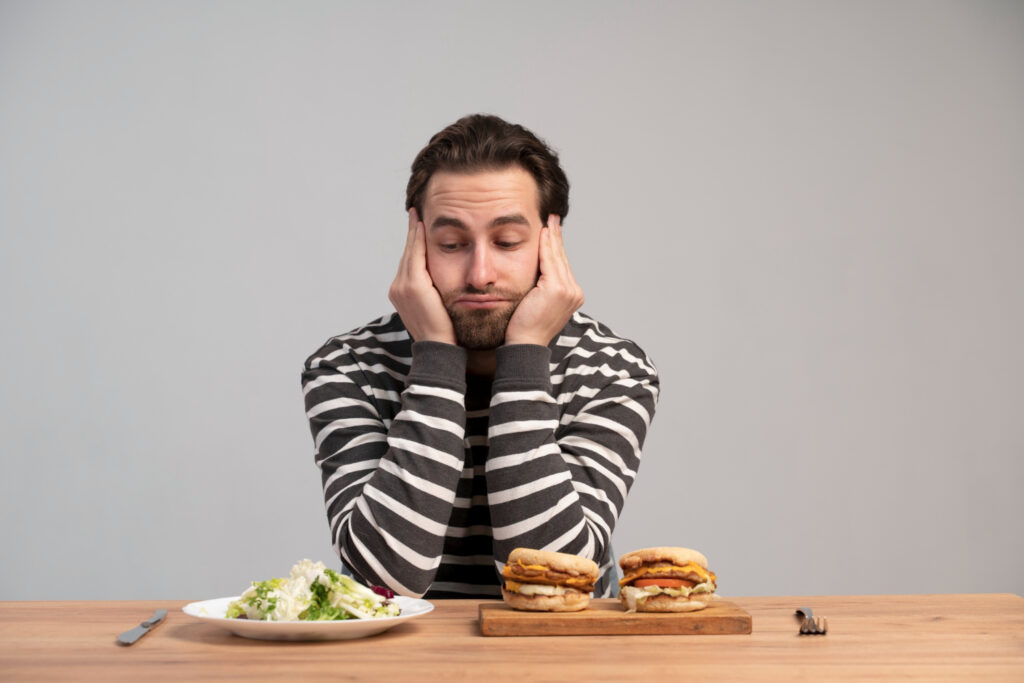
Instead of a full packet of chips, take a small bowl of roasted makhana or roasted chana.
Instead of many biscuits with tea, take one or two biscuits only, or replace them with nuts or boiled egg.
Instead of a big sweet portion, take a small piece and eat slowly.
Instead of sugary drinks, take lemon water, mint water, jeera water, or plain water.
Instead of late-night snacking, take warm water, fennel tea, or ginger tea.
Common Mistakes That Increase Cravings
Skipping meals
Eating too fast
Keeping junk food at home
Eating directly from packets
Sleeping late
Drinking less water
Taking very small meals during the day and overeating at night
Not eating enough protein
Using food as comfort during stress
These habits can make cravings stronger and harder to control.
Cravings are common, but they can be managed with simple portion control habits. You do not always need a strict diet plan to control cravings. Small changes like using a smaller plate, eating slowly, adding protein, drinking enough water, avoiding direct packet eating, and controlling rice, roti, sweets, and snacks can make a big difference.
The goal is not to stop enjoying food. The goal is to understand your body, control portions, and eat in a way that supports your health and weight loss journey.
For personalised diet portion guidance and healthy eating support, you can consult a qualified dietitian.